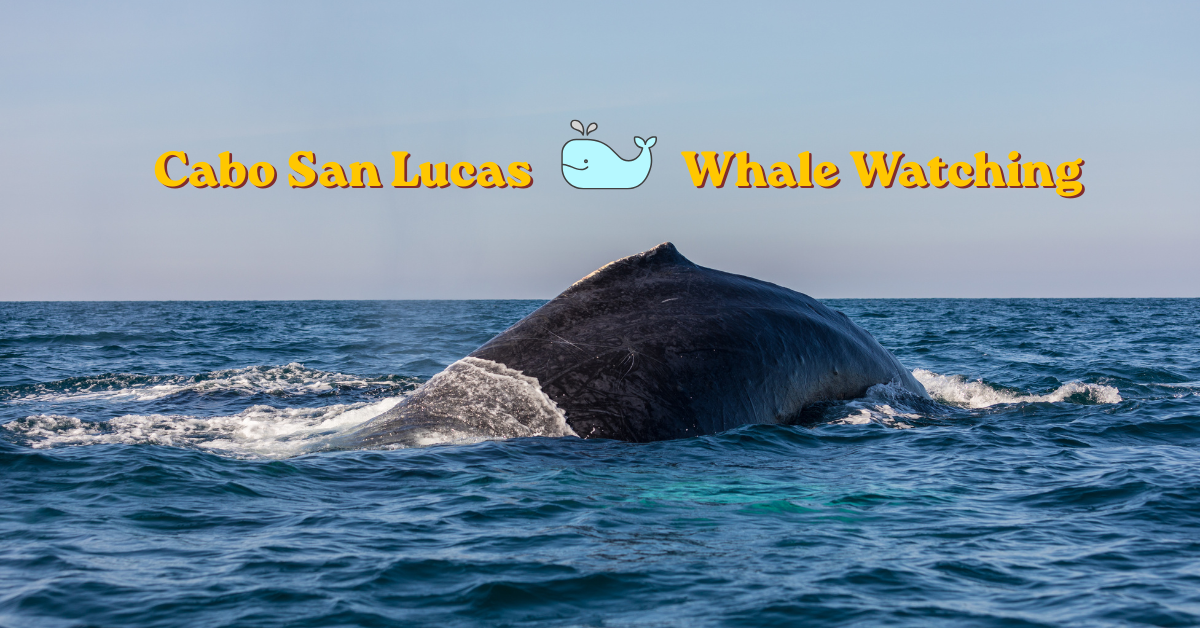
Cabo San Lucas is one of the premier whale watching destinations in the world. Every winter, thousands of majestic cetaceans migrate from icy Arctic feeding grounds to the warm, shallow lagoons of Baja California Sur. This migration creates a spectacular natural theater where visitors can witness breathtaking breaches, tail slaps, and newborn calves. Whether you are a first-time visitor or a seasoned wildlife enthusiast, planning your trip around migration timelines guarantees an unforgettable encounter. Here is your ultimate guide to the species you will encounter and the absolute best times to see them.

The Core Cabo Whale Watching Season (Peak Months)
The official Cabo San Lucas whale watching season runs from early December through mid-April. During this window, the Mexican government strictly regulates tour operators to ensure the safety and protection of the animals. While you can spot whales throughout this period, peak activity occurs from late December through January and February. During these peak weeks, the waters of the Pacific Ocean and the Sea of Cortez teem with activity as pods gather to mate and give birth.
Meet the Whales of Baja California Sur: Species & Timelines
Different species utilize Cabo’s unique marine ecosystem at varying times throughout the winter. Understanding these patterns helps you target your visit for specific wildlife encounters.
Humpback Whale Sightings (December to April)
Humpback whales are the undisputed stars of Cabo San Lucas. Famous for their acrobatic displays, these 40-ton giants frequently launch their entire bodies out of the water in spectacular breaches. They also engage in pectoral fin slapping and dramatic tail throws.
- Best Time to See: You can reliably spot Humpbacks from mid-December through March. By late February, lucky spectators often see mother humpbacks guiding their playful, newborn calves close to the surface.
Gray Whale Migration (January to March)
Gray whales make one of the longest migrations of any mammal, traveling roughly 6,000 miles from Alaska. Unlike the deep-water humpbacks, gray whales prefer shallow coastal lagoons. They are incredibly curious animals, frequently earning them the title of “the friendly whales” as they sometimes approach stationary boats.
Best Time to See: Gray whales arrive slightly later than humpbacks. The optimal window to witness them in Cabo and the surrounding bays is from early January through early March.
——–Compare 6 Cabo Fishing Charters——–
Blue and Fin Whales in the Sea of Cortez (February to March)
For a truly rare experience, the deep oceanic trenches near Cabo occasionally attract Blue whales—the largest animals to ever exist on Earth—and Fin whales, the second-largest. These gentle giants are more elusive and typically stay farther offshore in the Sea of Cortez.
Best Time to See: Your highest statistical chance of spotting these massive creatures is during February and March, when upwelling nutrients provide abundant food sources.
Best Time of Day for a Cabo Whale Tour
Beyond the months, the time of day you book your tour changes the overall experience:
- Morning (8:00 AM – 11:00 AM): The ocean is generally calmest in the morning. This provides smooth boat rides and excellent visibility for spotting blows and dorsal fins, making it ideal for families and photographers.
- Mid-Day (11:00 AM – 2:30 PM): Winds often pick up slightly, creating choppier waters. However, whales frequently become more active and dynamic when the surface is agitated.
- Late Afternoon (3:00 PM – Sunset): Sunset tours offer stunning lighting against the iconic Land’s End arch. Whales remain highly active, though tracking them can become more challenging as the sun dips below the horizon.
Essential Tips for Your Cabo Whale Tour
To maximize your eco-adventure, book a tour with a company that utilizes certified marine biologists. These experts can translate whale behaviors and use hydrophones to let you listen to complex whale songs. Always choose operators flying official conservation flags, ensuring they respect safe approach distances.
Cabo San Lucas offers an unparalleled window into the lives of these magnificent marine mammals. Plan your trip between January and March, book a morning departure, and prepare to witness the magic of Baja’s winter migration firsthand.
—-See the Latest Baja Fishing Reports——–
